

public
Why do people gamble? Unpacking the thrill of casinos
The Allure of Risk and Reward
Gambling inherently involves risk, and this thrill of uncertainty captivates many individuals. The possibility of walking away with a substantial payout creates an exhilarating atmosphere that is difficult to resist. For some, the excitement of betting large sums or taking chances on seemingly improbable outcomes serves as a powerful lure, especially in platforms that offer a fast withdrawal casino experience. This adrenaline rush is akin to high-stakes sports, where the outcome is uncertain, but the potential rewards are significant.
The psychological aspect of risk-taking is crucial to understanding why people are drawn to casinos. Engaging in gambling activities can stimulate the brain’s reward system, releasing dopamine, a neurotransmitter associated with pleasure. This chemical reaction deepens the association between gambling and enjoyment, encouraging individuals to seek out casinos as a source of entertainment. The prospect of winning fuels this desire, prompting many to return time and again, hoping for that next big win.
Moreover, the social environment of casinos adds to the thrill. Players often gather at tables or slot machines, sharing their experiences with others. This social interaction creates a sense of camaraderie among gamblers, enhancing their overall experience. The collective anticipation in the air, whether during a game or while waiting for a jackpot, makes the act of gambling not just about money, but about connection and shared excitement.
The Psychological Escape
For many, gambling serves as a means of escape from daily life. The vibrant lights, sounds, and atmosphere of casinos can transport individuals to a different world, away from their everyday stresses and routines. This temporary reprieve can be appealing, especially for those who are seeking a break from their responsibilities. The immersive nature of casinos allows players to focus solely on the game, providing them with a distraction that can feel refreshing and liberating.
This escape is not only about the physical environment but also about the thrill of playing games of chance. The spontaneity of spinning a roulette wheel or drawing cards can provide a welcome divergence from structured life. By entering a gambling space, individuals can momentarily forget about their concerns and immerse themselves in the excitement of the game. This sense of freedom is one of the primary reasons individuals are drawn to gamble.

However, it’s important to acknowledge that while gambling can offer an escape, it can also lead to problematic behaviors for some. The allure of this escape can result in compulsive gambling, where individuals feel a need to play even when it negatively impacts their lives. Recognizing the fine line between healthy escapism and detrimental habits is crucial, as the journey into gambling should always be approached with caution and awareness.
The Social Dynamics of Gambling
Gambling often serves as a social activity, drawing people together in shared pursuit of excitement. Many individuals enjoy visiting casinos with friends or family, turning gambling into a communal experience. The atmosphere is typically vibrant, filled with laughter, cheers, and the clinking of chips, which can enhance the experience. This social dimension adds layers to the gambling experience, allowing people to forge connections or strengthen existing relationships.
The interaction between players can also cultivate a sense of community. Regular gamblers often recognize one another, developing a social network based around their shared interest in gambling. This community aspect can provide emotional support, accountability, and camaraderie. Furthermore, events like tournaments and themed game nights encourage players to bond over their love for games, making gambling more than just a solitary endeavor.
Additionally, the dynamics of competition can bolster the thrill of gambling. Many players enjoy the challenge of pitting their skills against others, whether at poker tables or other competitive games. This competitive spirit fosters engagement, pushing individuals to enhance their techniques and strategies. The blend of social interaction and competition generates a dynamic environment, making casinos even more appealing to those who thrive in social settings.
The Role of Marketing and Promotions
Marketing strategies employed by casinos play a significant role in attracting gamblers. Promotions, loyalty programs, and enticing offers create an appealing environment for both new and experienced players. Promotions such as match bonuses, free spins, and loyalty rewards are designed to entice individuals to try their luck and engage with the casino. These initiatives not only enhance the gambling experience but also establish a sense of value for players.
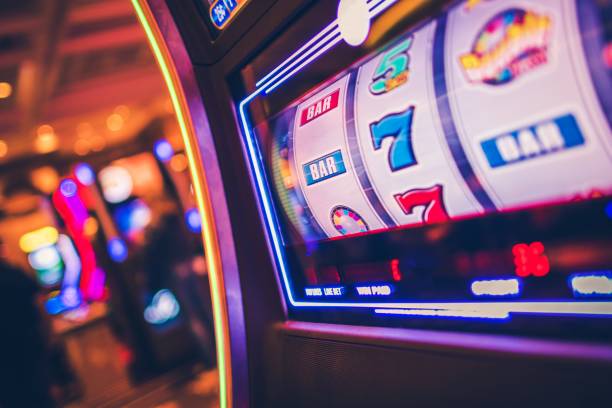
Casinos invest heavily in creating luxurious atmospheres to appeal to a wide array of clientele. From lavish décor to high-end dining options, casinos are designed to entice the senses and enhance the overall experience. The glitz and glamour surrounding these establishments contribute to the allure of gambling, drawing individuals into a world that feels exclusive and exciting. The investment in a comprehensive experience, beyond just gambling, is a key factor in luring individuals through casino doors.
Furthermore, the use of technology in marketing has transformed how casinos reach potential customers. Online platforms, social media, and mobile apps allow casinos to connect with gamblers in innovative ways. These technological advancements provide players with convenient access to promotions, news, and game updates, further solidifying their interest in participating in gambling activities. As technology evolves, so does the casino landscape, making it essential for operators to adapt and stay appealing in a competitive market.
Understanding Responsible Gambling
While gambling can be thrilling and entertaining, understanding responsible gambling practices is crucial. Responsible gambling promotes the idea that individuals should only gamble with money they can afford to lose, emphasizing moderation and self-awareness. Casinos are increasingly adopting measures to encourage responsible behavior, such as providing information on self-exclusion options and setting limits on playtime and betting amounts. These initiatives aim to create a safer gambling environment, ensuring that enjoyment does not turn into a risk.
Education around responsible gambling extends beyond just casinos. It involves awareness of the signs of problem gambling and encouraging individuals to seek help when needed. Many organizations offer support services for those who may struggle with gambling addiction, promoting awareness and resources for recovery. Understanding the balance between enjoyment and risk is crucial for both casinos and players alike.
Moreover, fostering a culture of responsible gambling can enhance the overall reputation of casinos. By positioning themselves as entities that care about their patrons, casinos can foster loyalty and encourage long-term patronage. It creates a positive environment where players can enjoy their experiences while remaining mindful of their limits, contributing to a healthier gambling culture.