

public
Unveiling the psychology behind casino gambling
The Allure of Risk and Reward
Casino gambling captivates millions, largely due to the thrill associated with risk-taking. The potential for substantial monetary gain entices individuals, especially in an environment designed to stimulate excitement. This psychological interplay between risk and reward triggers the brain’s pleasure centers, releasing dopamine—a neurotransmitter correlated with feelings of pleasure and satisfaction. As players engage in games of chance, the unpredictable outcomes create a rush, enhancing the allure of gambling. The anticipation of a win creates a potent mix of anxiety and excitement, and for those looking for swift transactions, options like casino uk fast withdrawal can add to the excitement of the experience.
The excitement generated by winning, even in small amounts, often leads to repeated behavior. This phenomenon, known as variable reinforcement, explains why players might risk their money in hopes of hitting a jackpot. The sporadic wins serve as a powerful incentive, keeping individuals returning to the tables or slot machines despite the odds often being against them. This psychological reinforcement creates a cycle of behavior difficult to break, as players chase the elusive big win while justifying their losses as part of the game. The thrill of the chase can sometimes overshadow the reality of the odds.
Moreover, the ambiance of casinos plays a pivotal role in amplifying this allure. Bright lights, captivating sounds, and an overall vibrant atmosphere are meticulously designed to keep players engaged. The strategic placement of games, along with complimentary services like free drinks, creates a welcoming environment that encourages prolonged stays. By creating an immersive experience, casinos exploit psychological principles, ensuring that players feel a continuous pull towards the risk and thrill of gambling. This environment can lead to hours spent gambling, often at the expense of time and money that could be better utilized elsewhere.
The Impact of Cognitive Biases
Cognitive biases significantly influence gambling behavior. One of the most prevalent is the illusion of control, where gamblers believe they can influence the outcome of games of chance. For instance, a player might feel that using a specific strategy or pattern can increase their chances of winning, despite the game being based purely on luck. This misconception can lead to overconfidence and excessive gambling, as players persist in their beliefs despite contrary outcomes. The false sense of control can perpetuate gambling habits, making it hard for individuals to recognize the reality of their situation.
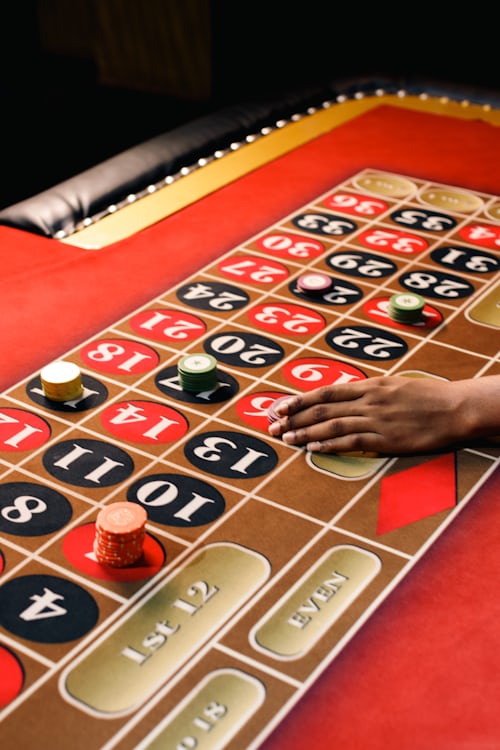
The gambler’s fallacy also plays a critical role in shaping gambling decisions. Many players mistakenly believe that past outcomes will influence future results; for example, after several losses on a roulette table, they may believe they are “due” for a win. This flawed reasoning can lead to chasing losses, resulting in deeper financial pitfalls. Understanding these biases is essential for both gamblers and those looking to curb gambling-related issues. Recognizing the irrational thought patterns can help individuals make more informed decisions about their gambling behaviors.
Additionally, the framing effect influences how decisions are made in the context of gambling. How a scenario is presented—whether emphasizing potential wins or highlighting losses—can significantly impact a player’s choices. Casinos often frame their games in terms of potential rewards, which can skew perceptions and lead to riskier behavior. Such psychological tactics reveal the intricate relationship between cognitive biases and gambling, ultimately affecting how players interact with games of chance. The way information is presented can harness emotional responses that further entrench gambling habits.
The Role of Social Influences
Social factors are pivotal in understanding the psychology of gambling. Peer influence, for instance, can significantly affect an individual’s propensity to gamble. When surrounded by friends or acquaintances who exhibit gambling behaviors, individuals may feel compelled to join in—whether driven by curiosity, the desire for social acceptance, or the thrill of shared experiences. This social dynamic can create an environment that normalizes gambling, making the behavior more enticing and habitual. Social gatherings often serve as platforms where gambling is presented not just as a game but as a shared social activity.
Additionally, the rise of online gambling has transformed how social connections can influence gambling behavior. Platforms often incorporate social features, such as leaderboards, chat rooms, and shared achievements, further fostering a sense of community among players. This online interaction not only makes gambling more accessible but also enhances the psychological rewards associated with social engagement, leading to a greater risk of compulsive behaviors. The digital landscape has created new avenues for connection, where social validation can reinforce gambling habits.
Moreover, the role of societal norms and cultural perspectives on gambling cannot be underestimated. In cultures where gambling is viewed positively, individuals may be more inclined to engage in such activities without considering potential risks. Conversely, in societies with a negative stance towards gambling, individuals might either avoid it altogether or engage in it clandestinely, which can lead to higher levels of stress and psychological consequences. Understanding the social context surrounding gambling is essential for grasping its psychological complexities and the varied motivations that drive individuals to gamble.
Emotional Triggers and Gambling Behavior
Emotional triggers significantly impact gambling behavior, driving individuals to gamble in search of emotional relief or excitement. Many gamblers report using gambling as a coping mechanism to escape from stress, anxiety, or depression. The temporary distraction provided by gambling can offer a sense of control and agency, which individuals may lack in other areas of their lives. This emotional reliance can create a dangerous cycle where gambling becomes a primary means of managing emotional states, often leading to dependency on the activity as a way to cope.

Furthermore, the highs and lows associated with gambling can exacerbate emotional triggers. Winning can elicit strong feelings of joy and elation, while losses can lead to frustration and desperation. Players may gamble in an attempt to recover lost funds, which can lead to a downward spiral of increasing bets and deeper losses. This emotional rollercoaster is a fundamental aspect of the gambling experience, illustrating the psychological challenges associated with managing emotions in high-stakes situations. The desire to escape from negative emotions can often lead to reckless gambling behavior.
Addressing the emotional aspects of gambling is crucial for promoting healthier behaviors. Developing alternative coping strategies and emotional regulation techniques can help individuals manage their urges to gamble when emotions run high. Support systems, whether through counseling or support groups, play a vital role in helping individuals understand their emotional triggers and find healthier outlets. Ultimately, recognizing the connection between emotions and gambling behavior can empower individuals to make conscious decisions to protect their mental health.
Exploring Responsible Gambling Resources
In light of the complexities surrounding the psychology of gambling, it becomes essential to explore responsible gambling resources. Websites dedicated to this cause offer valuable insights into understanding one’s gambling habits, recognizing the signs of problematic behavior, and accessing support. These platforms often provide educational materials that enhance awareness about the psychological aspects of gambling and promote healthier gaming habits. By educating players, these resources aim to foster a deeper understanding of the risks involved in gambling.
Moreover, many responsible gambling initiatives include self-assessment tools that help individuals evaluate their gambling behavior. These resources empower players by encouraging self-reflection and awareness, paving the way for informed decision-making. For instance, platforms may offer quizzes or guidelines that allow individuals to identify whether their gambling activity is within healthy limits or veering towards addiction. This self-awareness can be a critical first step toward addressing gambling-related issues.
Ultimately, the goal of responsible gambling resources is to create a safe environment for players while reducing the stigma associated with seeking help. By promoting open discussions on gambling behavior, these initiatives help individuals understand that seeking support is a sign of strength rather than weakness. Through education and awareness, responsible gambling resources aim to foster a culture of mindfulness around gambling, enabling individuals to enjoy gaming without sacrificing their well-being. This proactive approach encourages players to engage with gambling in a balanced and informed manner.